

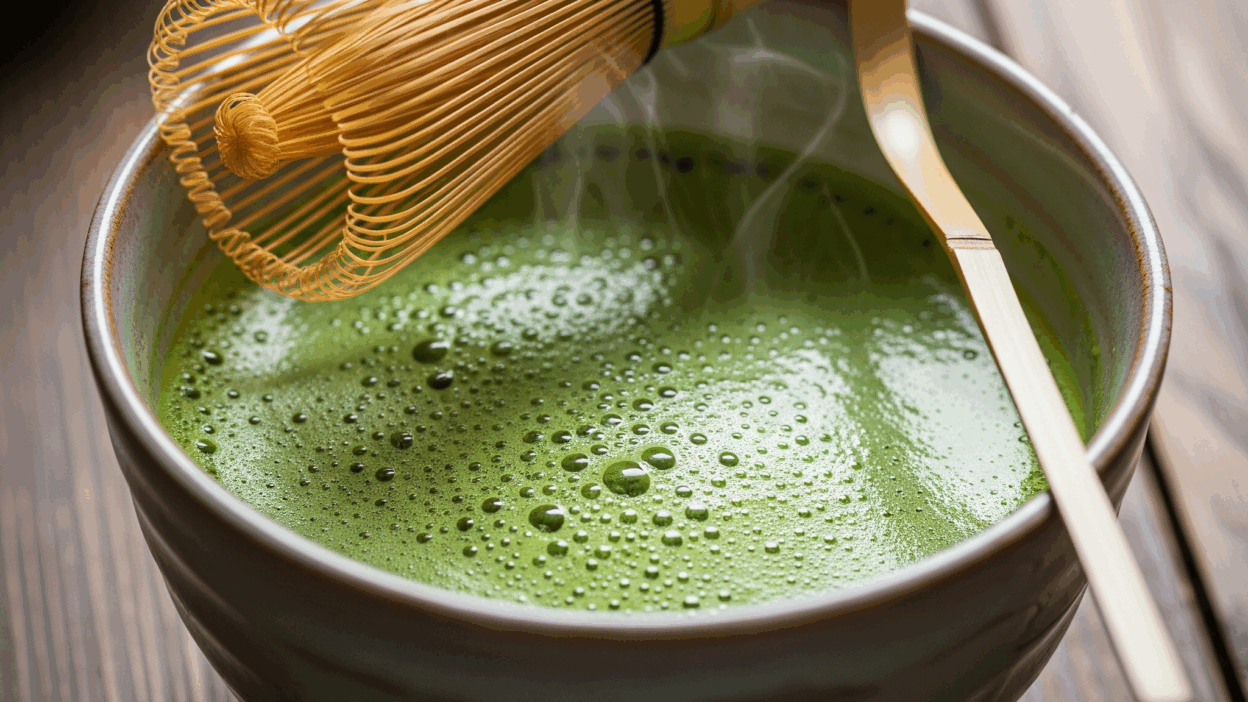
Alright, let’s have a real chat about matcha. You’ve seen it everywhere – that vibrant, almost electric green latte at your local café, the pretty desserts on your Instagram feed. But what actually is it? Is it just a trendy health fad, or is there more to it?
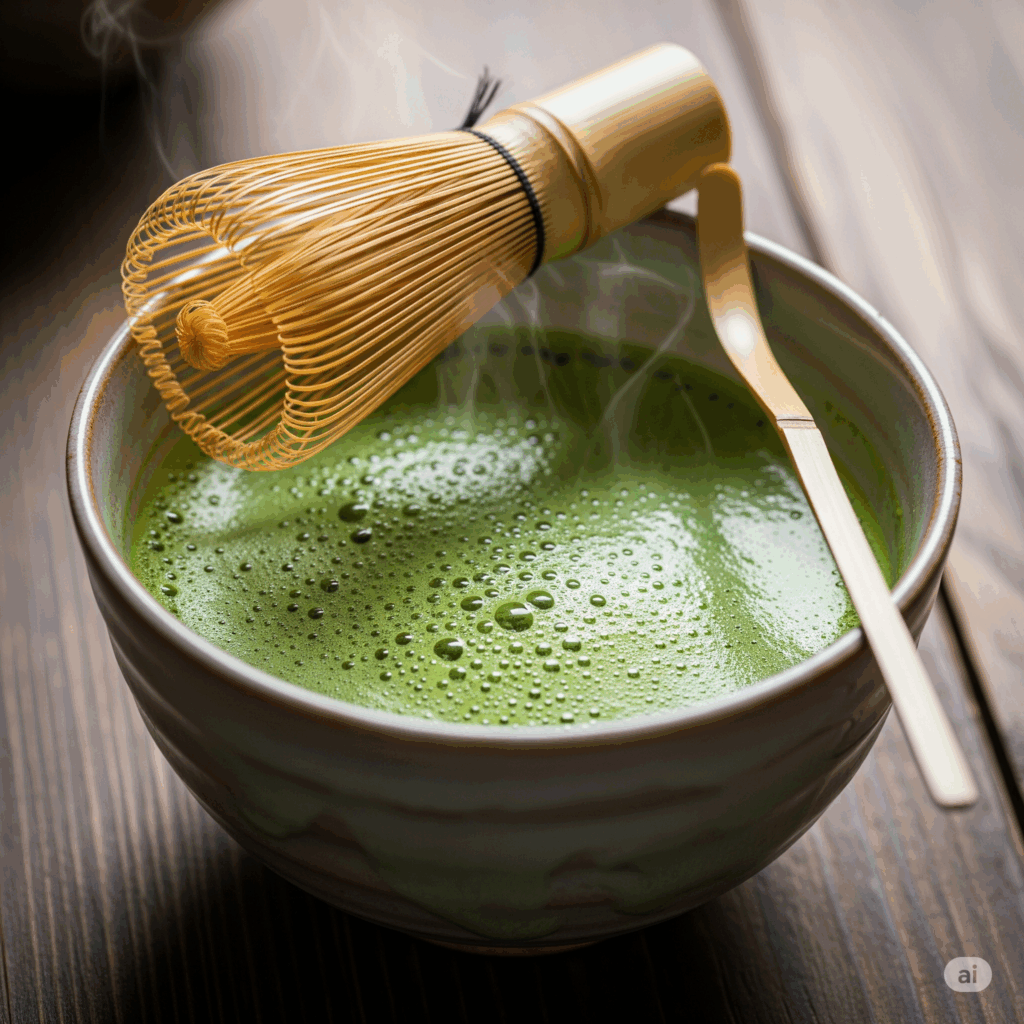
I got curious a while back and decided to dive in headfirst. I even bought one of those green matcha sets off Amazon – you know the one, with the little bamboo whisk and the ceramic bowl. I wasn’t sure if I’d use it much, but honestly, it’s been a cracker of an experience. Taking a few minutes to whisk up a bowl has become this brilliant little ritual. It’s fun, it’s calming, and it makes you feel like you’re doing something good for yourself.
It turns out, there’s a whole world behind that green powder. It’s a story of ancient rituals, modern science, and a unique kind of calm energy that coffee just can’t replicate. So, let’s get into it.
What Exactly Is This Green Stuff?
First off, matcha isn’t just ground-up green tea leaves you’d find in a normal teabag. It comes from the same plant, Camellia sinensis, but it’s grown and processed in a completely different way.
For the last few weeks before harvest, the tea plants are covered and grown in the shade. This is the magic step. It forces the leaves to produce a massive amount of chlorophyll (which gives it that insane green colour) and an amino acid called L-theanine. After harvesting, the leaves are gently steamed, dried, and then stone-ground into an incredibly fine powder.
The biggest difference? When you drink regular green tea, you steep the leaves in hot water and then toss them. With matcha, you whisk the powder into water and drink the entire leaf. You’re consuming everything – all the fibre, nutrients, and antioxidants. That’s why its benefits are so much more potent.
Why Are People So Obsessed With It?
The flavour of good matcha is complex and beautiful. It’s smooth, slightly sweet, and has a rich, savoury depth called umami. But for most people, the real love affair comes from how it makes you feel.
Matcha provides what many describe as a “calm alertness.” It contains caffeine, but it’s balanced by that high concentration of L-theanine. This amino acid is known for promoting relaxation and reducing stress without making you drowsy (Kochman et al., 2021). The result is a sustained, clean energy boost that lasts for hours – no jitters, no anxiety, and no sudden crash at 3 pm. It’s a focused, clear-headed feeling that’s perfect for study, work, or just getting through a busy day.
The Health Perks: Is It Actually Good For You?
You bet it is. Because you’re consuming the whole leaf, you’re getting a powerhouse of nutrients.
Matcha is absolutely loaded with antioxidants, particularly a type called catechins. The most famous of these is Epigallocatechin Gallate (EGCG), which is a beast when it comes to fighting inflammation and protecting your cells from damage (Chacko et al., 2010). This is linked to everything from better skin to a healthier heart.
The combination of caffeine and L-theanine has also been shown to boost brain function. Studies suggest it can improve attention, reaction time, and memory (Dodd et al., 2015). It’s like a gentle tune-up for your brain.
Hold the Sugar: The Sweetness Dilemma
You might be tempted to sweeten your matcha latte like you would a coffee, but go easy on it. Overpowering matcha with sugar, especially refined white sugar, completely masks its delicate, grassy, and umami notes. You lose the complexity that makes it so special.
If you do need a touch of sweetness, a small drizzle of honey or pure maple syrup is a much better choice. It complements the flavour without completely taking over.
What About Nut Milks and Strawberry Matcha?
A matcha latte made with nut milk is a brilliant dairy-free option. Almond, oat, or macadamia milk all work beautifully, creating a creamy, delicious drink. Are nut milks healthy? Generally, yes, but always check the label. Go for the unsweetened versions, as many brands pack their sweetened milks with unnecessary sugars.
And strawberry matcha? It’s a match made in heaven. The natural sweetness and slight tartness of strawberries cut through the earthiness of the matcha perfectly. It’s a refreshing and seriously tasty combo, especially iced on a hot day.
Caffeine Check: Matcha vs. Coffee
So, how does it stack up against your morning flat white?
A typical serving of matcha (one teaspoon of powder) has around 35-70mg of caffeine. A cup of coffee can have anywhere from 95-200mg. While matcha has less caffeine, the presence of L-theanine changes how your body absorbs it. It slows down the release, giving you that long, steady buzz instead of the sharp spike and fall from coffee.
As for how much you can drink, one to two servings a day is a great sweet spot for most people to get the benefits without overdoing the caffeine.
Easy Recipes to Get You Started
Making matcha at home is dead easy, especially with a simple kit.
1. Traditional Usucha (Thin Tea):
Sift 1 teaspoon of matcha powder into your bowl. Sifting is key to avoid lumps.
Add about 70ml of hot water (not boiling – about 80°C is perfect).
Whisk vigorously in a ‘W’ or ‘M’ shape until a fine, frothy layer forms on top.
Drink it straight from the bowl and enjoy the moment.
2. Simple Iced Matcha Latte:
In a bowl, make a matcha shot by whisking 1 teaspoon of matcha with 2 tablespoons of hot water until smooth.
Fill a tall glass with ice.
Pour in your favourite nut milk until the glass is about three-quarters full.
Pour the matcha shot over the top and watch the beautiful green swirls.
Add a dash of honey if you like, stir, and enjoy.
It’s a Lifestyle
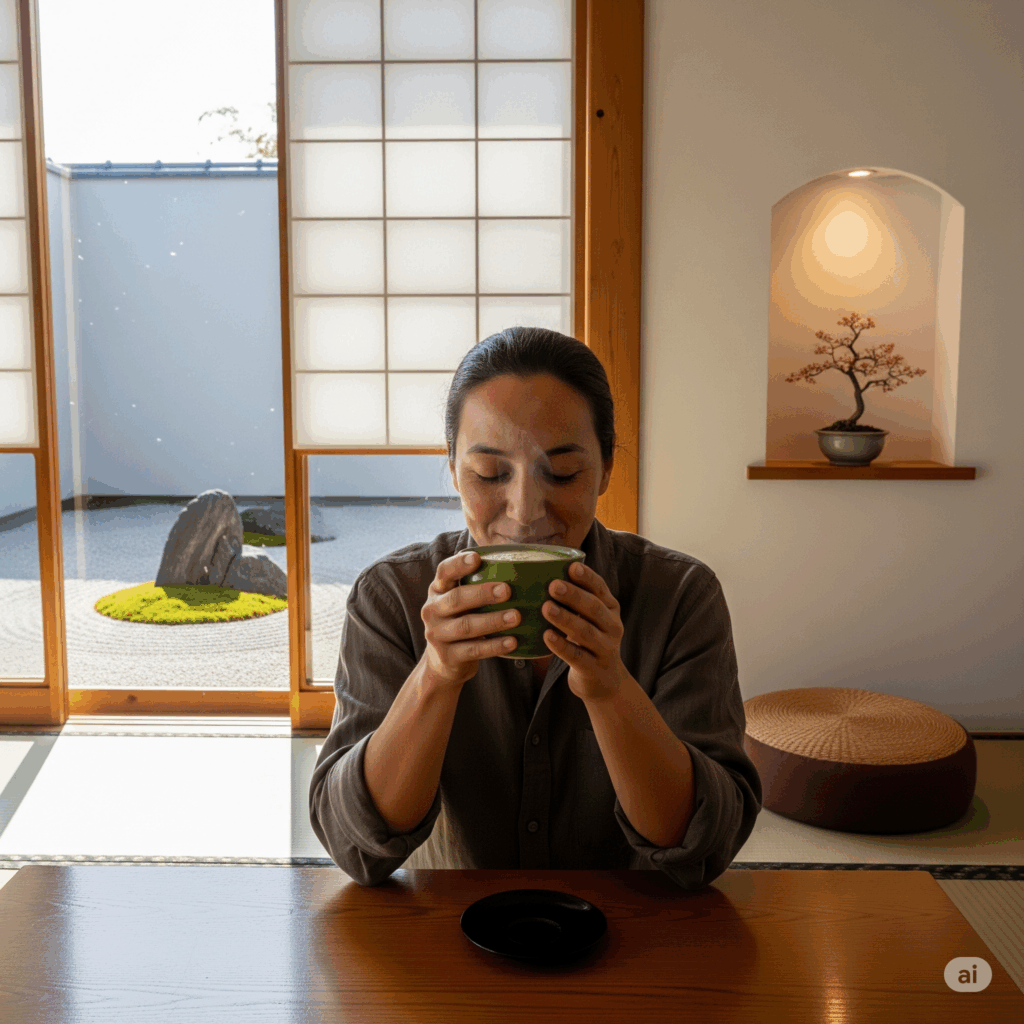
From my own experience with that simple Amazon set, I can tell you that matcha is more than just a healthy drink. It’s an invitation to slow down. The act of preparing it – the sifting, the whisking – is a mindful practice. It’s a small, quiet rebellion against a world that’s always rushing.
It’s a way to give yourself calm energy, a dose of antioxidants, and a moment of peace. And for that, it’s worth every bit of the hype.
References
https://www.ncbi.nlm.nih.gov/pmc/articles/PMC2855614