

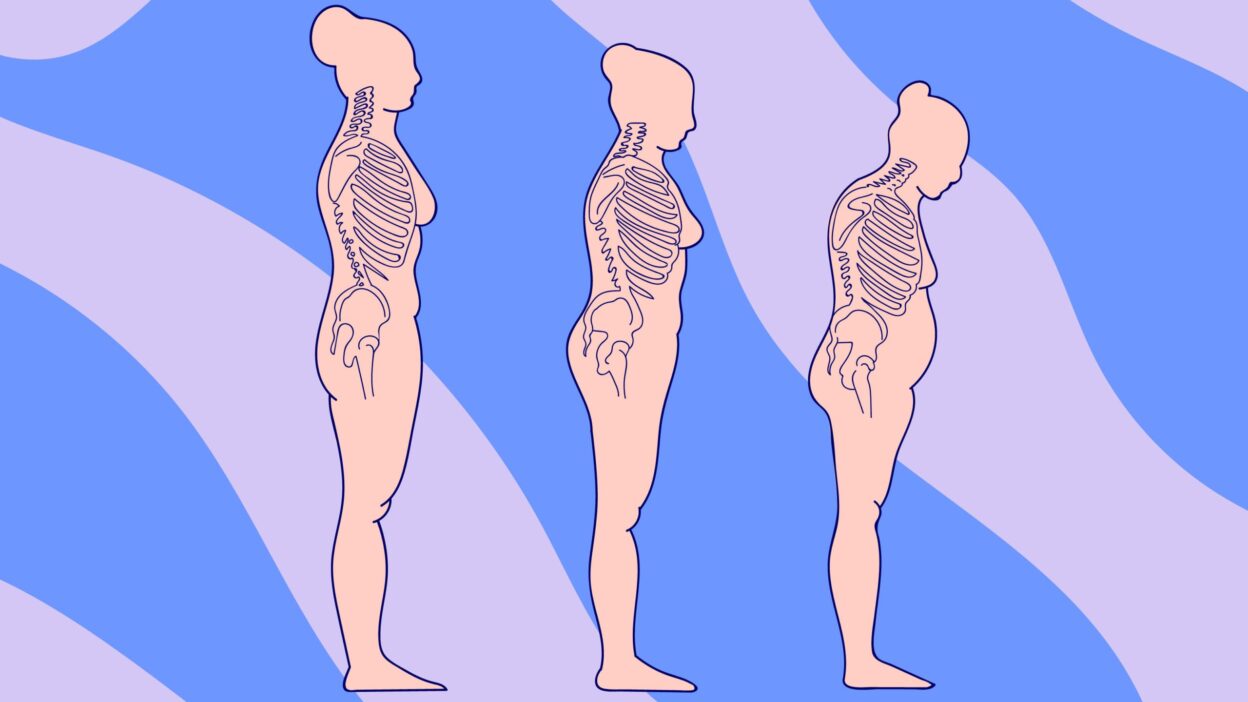
Osteoporosis is one of those conditions that doesn’t make headlines until someone breaks a hip. But it affects roughly 1 in 2 women and 1 in 4 men over 50, and the number of adults with osteoporosis or low bone mass is predicted to reach over 71 million by 2030. Here’s what’s changed in 2026 and what the current treatment landscape looks like.
The Big Breakthrough: FDA Approves New Testing Method
In January 2026, the US FDA approved a new bone-imaging biomarker as a surrogate measure of fracture risk in clinical trials. This might sound technical, but the practical impact is significant.
Previously, osteoporosis drug trials had to wait for patients to actually break bones to measure whether a treatment worked. That meant huge patient groups and years of follow-up. The new approval means future trials can use bone mineral density (BMD) changes as a proxy for fracture risk, allowing studies to be smaller, faster, and cheaper.
The result: new osteoporosis treatments could reach patients much sooner. University of Sheffield scientists led the research, and the decision is expected to attract renewed investment in osteoporosis drug development.
A Potential Reversal, Not Just Prevention
Most current treatments slow bone loss or modestly stimulate bone formation. But a 2025 study from the University of Leipzig and Shandong University identified a cell receptor called GPR133 that could actually reverse osteoporosis, not just slow it down.
In mice, activating this receptor with a chemical compound called AP503 improved bone production and strength. Researchers hope future treatments could strengthen bones that are already healthy and rebuild degraded bone, which would be a genuine shift from current approaches.
This is still in animal testing and hasn’t been proven in humans yet. But the researchers describe it as having “great potential for medical applications in an ageing population.”
New Drug Approved: Abaloparatide
In early 2026, abaloparatide was approved in several regions as only the second new osteoporosis drug in 15 years. It works differently from most existing treatments by actively stimulating bone formation rather than just slowing bone loss. For patients at high fracture risk, particularly those with spinal fractures, this offers a meaningful new option.
However, the Royal Osteoporosis Society has warned that thousands of patients may miss out because half of NHS Trusts in the UK still lack the diagnostic services needed to identify and refer patients. The drug exists, but the pathway to access it is inconsistent.
Current Treatment Options
For context, here’s where osteoporosis treatment stands in 2026:
Bone loss prevention: Bisphosphonates (like alendronate) remain the most commonly prescribed treatment. They slow bone breakdown and are taken as a weekly or monthly pill.
Bone building: Teriparatide and abaloparatide are injectable treatments that stimulate new bone formation. They’re typically used for patients at very high fracture risk.
Dual action: Romosozumab (Evenity) both blocks bone loss and builds new bone. It increased spine bone density by up to 15% in trials, roughly the amount seen in healthy teenagers. It’s given by injection once a month for a year but carries an FDA warning for increased cardiovascular risk.
Foundation: Calcium, vitamin D, weight-bearing exercise, and fall prevention remain the baseline for everyone, often alongside medication.
What You Can Do
If you’re over 50, especially if you’re post-menopausal, have a family history of osteoporosis, or have taken corticosteroids long-term, talk to your GP about a bone density scan. Osteoporosis is called a “silent disease” because most people feel completely fine until a fracture happens.
Weight-bearing exercise (walking, running, resistance training), adequate calcium and vitamin D, not smoking, and limiting alcohol are all proven to help maintain bone density. These aren’t glamorous interventions, but they work.
This article is for informational purposes only and is not medical advice. Speak to your doctor about your individual situation.
More from Life in Melbourne: Things to Do in Melbourne | What to Read on Kindle | Why Is Claude AI So Popular?